What to Do When a Calgary Snowstorm Hits
 Written by Su Diab September 20, 2026 · 5 min read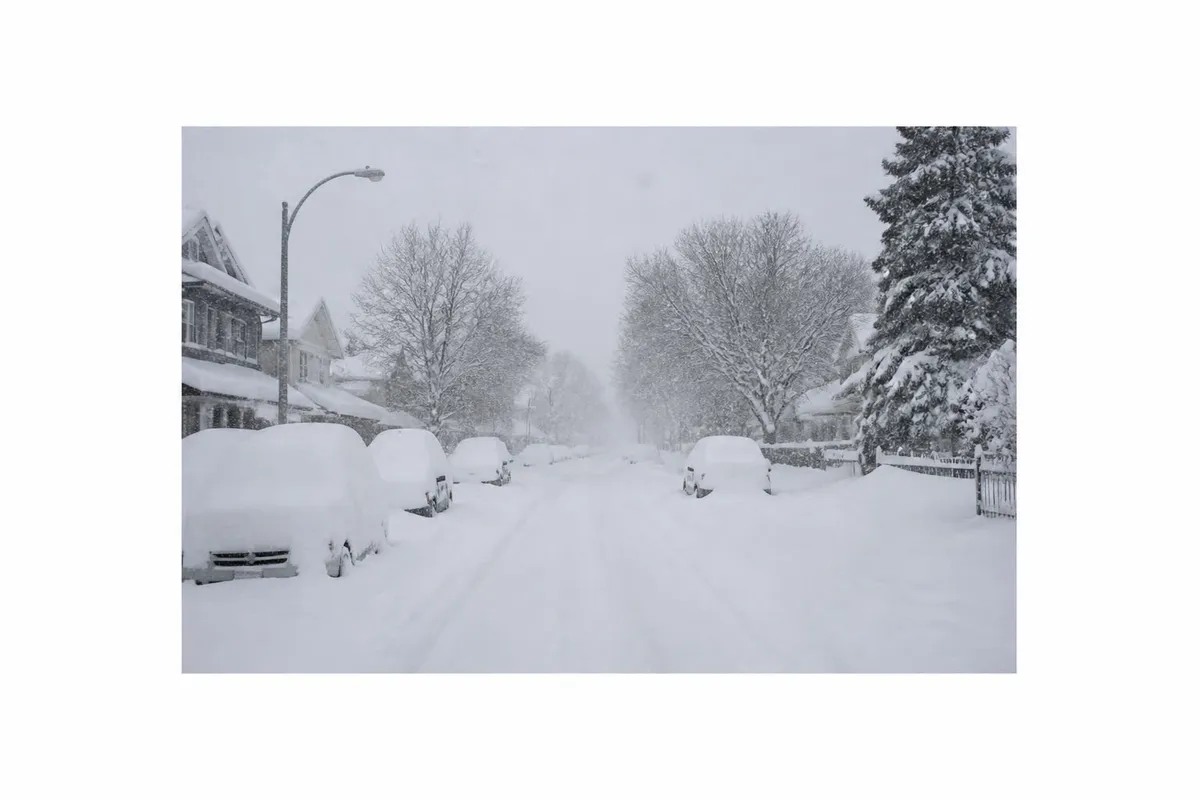
This article is for you if...
- Anyone facing their first serious Calgary snowfall
- People who wait for the snow to stop and regret it
- Property owners wanting a clear order of operations
Quick Answer
Clear in stages during a heavy snowfall rather than waiting for it to stop, since packed snow is far harder to remove. Prioritise the route people walk on: steps, front walk and the public sidewalk, then the driveway. The bylaw clock starts when snowfall ends, giving you 24 hours for the sidewalk.
Calgary gets storms that drop enough snow to change how the whole city works for a day or two. Handled well, it is a couple of manageable sessions. Handled badly, it is a compacted mess that takes a week to recover from.
Here is a practical order of operations.
Before it arrives
If a significant snowfall is forecast, a few minutes now saves an hour later:
- Move vehicles off the driveway if you can, so the whole surface can be cleared in one pass
- Get the shovel out of wherever it is buried behind the summer things
- Put ice melt somewhere reachable, ideally by the door rather than the back of the garage
- Bring in anything that will be buried and later found by a plow blade
- Check on neighbours who may not be able to clear their own
During: clear in stages
This is the single most useful habit, and most people get it wrong.
The instinct is to wait until the snow stops so you only do the job once. In a heavy snowfall that is a mistake, for three reasons:
Compaction. Snow that sits, gets walked on and driven over turns dense and bonds to the surface. Clearing 10 cm twice is dramatically easier than clearing 20 cm once, and far easier than chipping packed snow.
Weight. Snow gets heavier as it settles and as any moisture works through it. Fresh snow is much lighter to move.
Ice. Once a compacted layer forms, it becomes the base for ice as soon as any melt and refreeze happens. Removing it later means chipping rather than shovelling.
For a storm dropping serious accumulation, clearing at intervals is genuinely less total work than one big session.
The order to clear things
If time or energy is limited, do them in this order:
1. Steps and the front entrance. Highest fall risk, and the surface everyone uses. Also the easiest place to be seriously injured.
2. The path from the door to the street. The route people actually walk.
3. The public sidewalk. Your legal responsibility, and where a complaint would come from.
4. The driveway. Important, but a car handles snow better than a person handles ice.
5. The apron at the end of the driveway. Do this last, because the plow will refill it.
That last point is worth expanding.
The windrow problem
When a City plow passes, it pushes a ridge of dense snow across the end of your driveway. It is heavier than the snowfall itself, since it is compacted and often mixed with road grit.
There is no way to prevent it. But you can avoid doing the work twice: clear the apron last, after the plow has been through your street. Clearing it first, then having it filled again an hour later, is a common and demoralising way to spend a morning.
Where not to put the snow
Calgary’s bylaw is specific, and these rules exist for practical reasons:
- Not on the road. Snow from a private driveway must stay on private property.
- Not in a crosswalk.
- Not on storm drains. This is how basements flood during a chinook melt.
- Not in a neighbour’s yard.
Also worth avoiding for your own sake: piling snow where meltwater will run back across your walkway, and piling it where it blocks the view when backing out.
After it stops
The 24-hour clock starts when the snowfall ends, not when it begins. That is when the bylaw requires the public sidewalk cleared to bare surface.
Once you have cleared, two things finish the job properly:
Get down to the surface. A thin packed layer left behind is the foundation for ice.
Treat before the freeze. If temperatures will drop overnight, applying ice melt after clearing stops ice bonding. Doing it the next morning, on formed ice, is slower and takes more product.
The chinook that follows
The part people are least prepared for is what happens two days later.
If a chinook arrives, the snow you piled starts melting. Meltwater runs across walkways and driveways, then refreezes overnight into clear ice that is harder to see and more dangerous than the storm was.
So the storm is not really over when the shovelling is done. Check the property again after the first warm day, particularly below downspouts, at the base of sloped driveways, and downhill of your snow piles.
Frequently asked questions
Should I wait for the snow to stop before shovelling? In a heavy snowfall, no. Clearing in stages is less total work because snow compacts and gets heavier as it sits.
What should I clear first? Steps and the front entrance, then the path to the street, then the public sidewalk, then the driveway. Do the apron last, after the City plow passes.
Can I put driveway snow on the road? No. Calgary’s bylaw requires snow from private property to stay on private property.
When does the 24-hour deadline start? When the snowfall ends, not when it starts.
Why is the ice worse a few days later? A chinook melts the piles, the water spreads and refreezes overnight into clear ice, which is harder to see than snow.
Not doing it yourself
The advantage of a seasonal plan during a big storm is that clearing happens on schedule whether or not you are home, well, or awake at 5am, and contract customers are serviced before one-off calls.
Our residential snow removal plans include ice control for the chinook problem described above, not just the clearing.
For businesses that need to open on time the morning after a storm, commercial snow removal sets response times per contract, including priority scheduling for properties that must be clear before opening.
Su Diab
Owner, Golden Angel Snow Removal
- Running Calgary snow removal crews since 2021
- 10 years experience in landscaping
- Licensed, insured and WCB covered
Su has run snow removal crews in Calgary since 2021, following ten years in the landscaping industry. He works on the properties himself and sets the standard the crews work to.