
Snow Plow Damage to Your Driveway: Who Pays?
 Written by Su Diab September 23, 2026 · 5 min read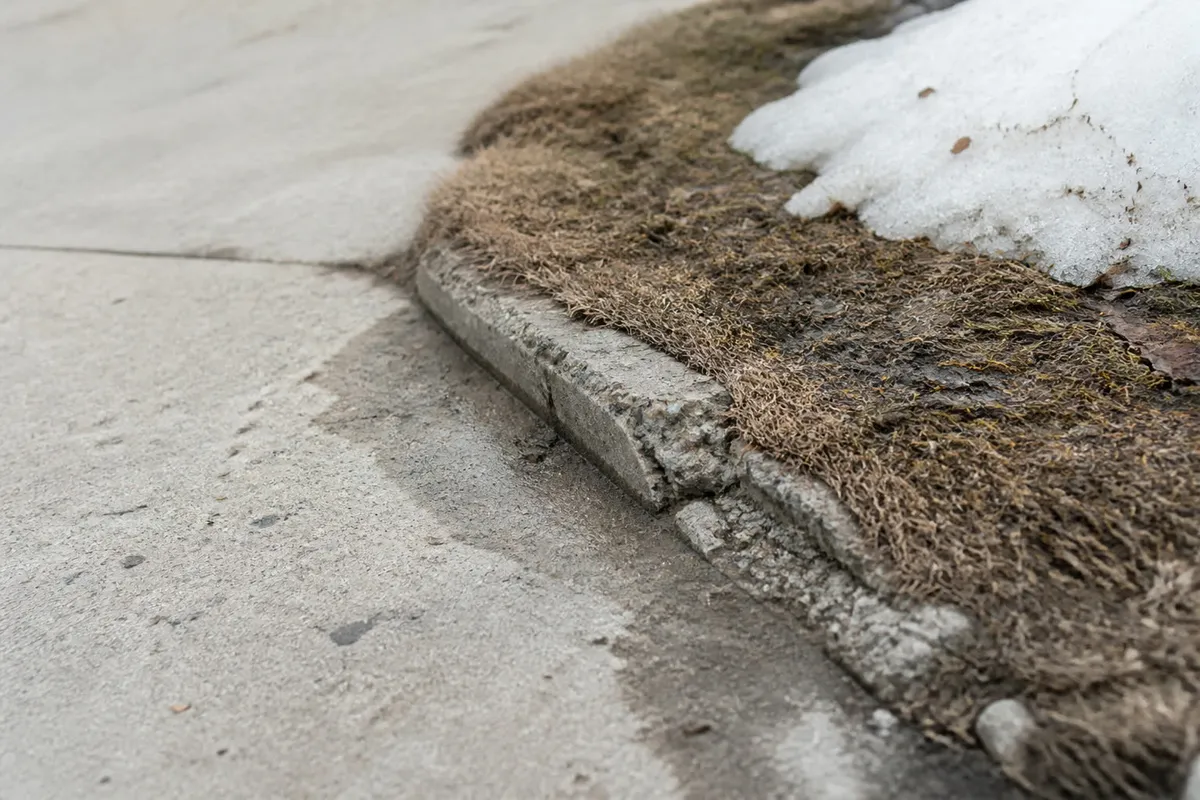
This article is for you if...
- Homeowners who found damage after last winter
- Anyone hiring a plow service for the first time
- People wondering whether the damage was there before
Quick Answer
Most plow damage is preventable with driveway markers and a walkthrough before the season. When damage does happen, an insured contractor has a claims process; an uninsured one leaves you with no practical recourse. Document existing damage in autumn so there is no argument about what is new.
Plow damage is one of the more common disputes between homeowners and snow removal companies, and it is nearly always avoidable.
Here is how it happens, how to prevent it, and what to do when it does.
What actually gets damaged
Driveway edges. The most common. A blade following the edge of pavement chips the concrete lip or scrapes asphalt, particularly where the edge is already deteriorating.
Lawn edges. Where grass meets pavement without a clear boundary, a blade takes turf. It looks alarming in spring and usually recovers, but not always.
Sprinkler heads and irrigation boxes. Invisible under snow, and a plow blade finds them.
Garden edging, low walls and decorative rocks. Same problem.
Garage doors. Less common but expensive. Usually happens when a truck backs up or a blade is raised near the door.
Vehicles. Rare, but a parked car near the clearing area is a risk.
Why it happens
Almost always one reason: the operator cannot see what is under the snow.
After a heavy snowfall, a driveway is a white rectangle. The operator is working from the shape of the property, tyre tracks, memory of previous visits, and guesswork about where the edges are. Anything low and solid is invisible.
Two secondary causes:
Speed. A crew clearing many properties before dawn moves quickly. Speed and invisible obstacles combine badly.
Pre-existing weakness. Concrete that already has spalling or a crumbling edge will lose material to a blade that would not have damaged sound concrete. Calgary’s freeze and thaw cycles produce a lot of exactly this deterioration.
Prevention, which mostly works
Mark everything before the snow
Fibreglass driveway markers cost very little and prevent most damage. Place them:
- Along both driveway edges, especially where pavement meets lawn without a clear line
- At sprinkler heads and irrigation boxes
- At garden edging, low walls and decorative rocks
- At utility or septic covers
- At any low post, bollard or light
Do it before the ground freezes hard, since pushing them in later is genuinely unpleasant.
Walk the property with the contractor
For a new arrangement, a five-minute walkthrough in autumn is worth more than any conversation in January. Show them the edges, the hazards and anything fragile.
A contractor who is willing to do this is telling you something useful about how they operate.
Photograph existing damage
This is the step almost nobody takes and the one that resolves disputes fastest.
In autumn, photograph the driveway, edges, walkways and garage door, with the date. If a question comes up in spring about whether a chip is new, the photographs answer it in seconds rather than becoming an argument between two people’s memories.
Repair damaged concrete before winter
Deteriorating edges lose more material to a blade. Sealing cracks and repairing spalling in early autumn, while it is still warm enough to cure, protects the surface through the season.
If damage happens
1. Photograph it immediately. Before any melting, further clearing, or repair.
2. Report it promptly and in writing. Email is ideal because it is time-stamped. A phone call in March about damage from January is a much weaker position.
3. Be specific. What, where, and approximately when you noticed it.
4. Ask about their process. A professional contractor has one. This is exactly what liability insurance is for.
5. Get repair quotes if the damage is significant.
The insurance question, again
This is where an uninsured contractor becomes an expensive saving.
With an insured contractor, damage goes through a claims process. There is a mechanism, and you are dealing with a company that has a reason to resolve it.
With an uninsured one, your recourse is asking them to pay personally, and if they decline, pursuing it yourself. In practice many people simply absorb the cost.
So the question to ask before hiring, not after damage, is: “Can you show me a current certificate of insurance?” Not “are you insured”, which everyone says yes to.
Being fair about it
Worth saying plainly: some driveway wear over a Calgary winter is not the plow’s fault.
Freeze and thaw cycles cause surface scaling and cracking on their own. De-icing products contribute. A driveway that looks worse in April than it did in October may have had nothing to do with the contractor.
That is another reason autumn photographs are useful. They protect the contractor from unfair claims as much as they protect you from unfair denials, and a fair process benefits both sides.
Frequently asked questions
Is plow damage common? Damage to unmarked hazards is fairly common. Damage to a clearly marked, well-maintained driveway is not.
Who pays for snow plow damage? An insured contractor handles it through their liability coverage. An uninsured one leaves you with little practical recourse.
How do I prevent it? Driveway markers, an autumn walkthrough with the contractor, and repairing deteriorating concrete before winter.
What should I do if my driveway is damaged? Photograph it immediately, report it in writing promptly, and ask about their claims process.
How do I prove the damage is new? Photograph the property in autumn with the date. It settles the question instantly.
Working with a contractor who plans for this
Our crews work with marked hazards and we would rather do a walkthrough in autumn than have a conversation about damage in January. Golden Angel is licensed and insured, and we will provide documentation before you sign.
Our residential snow removal plans cover the driveway, walkway and public sidewalk. For larger properties, commercial snow removal is quoted per site.
Su Diab
Owner, Golden Angel Snow Removal
- Running Calgary snow removal crews since 2021
- 10 years experience in landscaping
- Licensed, insured and WCB covered
Su has run snow removal crews in Calgary since 2021, following ten years in the landscaping industry. He works on the properties himself and sets the standard the crews work to.