
Calgary's Snow Removal Bylaw: The 24-Hour Rule Explained
 Written by Su Diab July 24, 2026 · 5 min read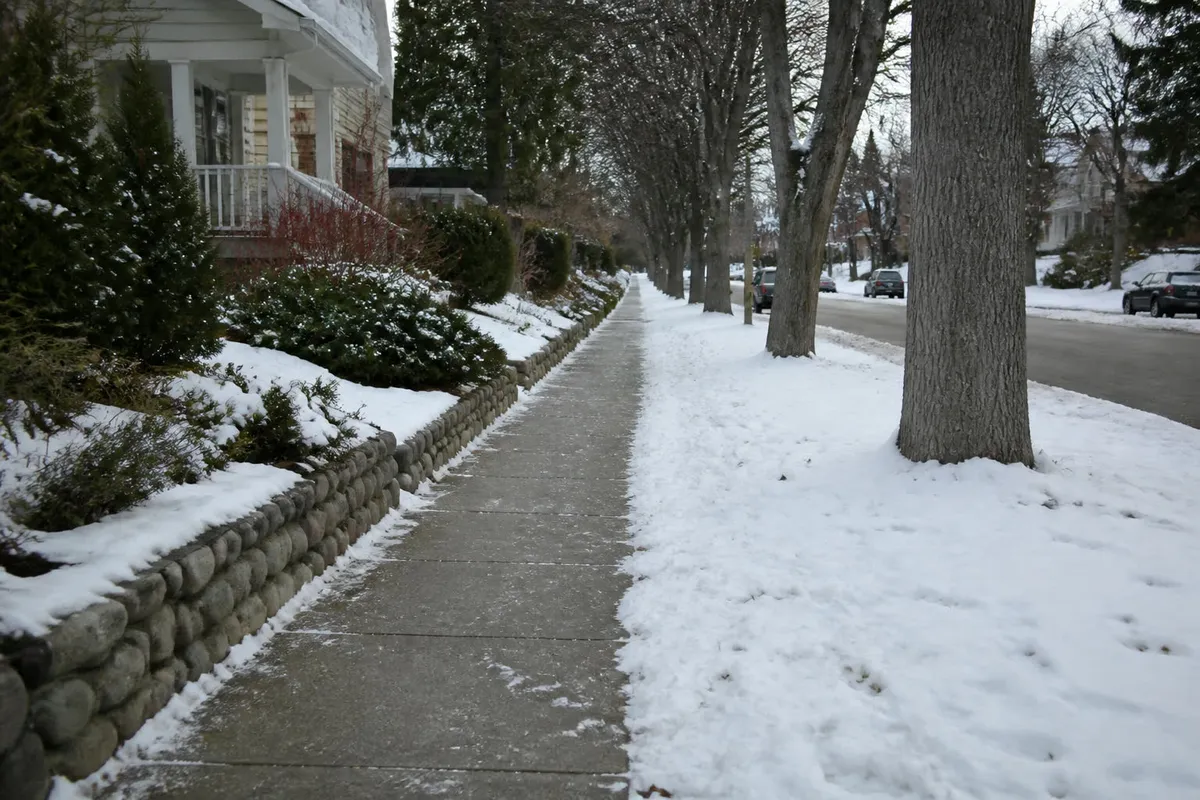
This article is for you if...
- Homeowners who want to know exactly what the City requires
- Landlords wondering whether the tenant or the owner is responsible
- Anyone whose neighbour has left an icy sidewalk for a week
Quick Answer
In Calgary you have 24 hours after snowfall ends to clear the public sidewalk bordering your property down to bare surface. Pathways must be cleared to a minimum width of 1.5 metres. Fines start at $250, rise to $500 for a second offence and $750 for a third within twelve months.
Most Calgarians meet the snow removal bylaw the same way: a neighbour complains, and a $250 bill turns up.
It is one of those rules everyone half knows and almost nobody has read. So here it is in plain language, with the actual numbers.
The rule in one sentence
If you own or occupy property in Calgary, you have 24 hours after the snow stops falling to clear the public sidewalk bordering your property down to bare surface.
That is the whole thing. Everything below is detail.
The 24-hour clock
The clock starts when the snowfall ends, not when it starts, and not when you get home from work.
For public pathways bordering your property, the same 24-hour deadline applies, and you must clear a minimum width of 1.5 metres. That width exists so that wheelchairs, walkers and strollers can actually get through.
The phrase “down to bare surface” is the part that catches people out. A shovelled path with a compacted layer of ice still on it does not meet the standard. In a city where a chinook can melt and refreeze a sidewalk overnight, that distinction matters far more here than it would in most places.
Who is actually responsible
This is where the arguments start:
- Homeowners are responsible for the public sidewalk bordering their property.
- Businesses are responsible for theirs.
- Landlords remain responsible even if they do not live at the property. Renting a place out does not transfer the obligation to the tenant as far as the City is concerned.
That last point surprises a lot of people who own rental properties in areas like Marlborough, Forest Lawn or the student rentals around the university. If the sidewalk is not cleared, the City comes to the owner.
Where you may not put the snow
Clearing the sidewalk is only half of it. The bylaw is specific about where the snow may not go:
- Not onto a road where it blocks access
- Not into a crosswalk
- Not onto storm drains
- Not into a neighbour’s yard
And a big one that catches people every winter: snow cleared from your private driveway cannot be pushed onto public property such as the road. Snow you clear off the public sidewalk may go onto other public property, but your driveway snow is yours to deal with.
The storm drain rule matters more than it sounds. Blocked drains during a chinook melt are exactly how basements flood, and a blocked drain in front of your house is your problem long before it is the City’s.
If you would rather not watch the clock every snowfall, sidewalk snow removal is part of our seasonal plans.
The fines
Penalties escalate within a twelve month period:
| Offence | Fine |
|---|---|
| First | $250 |
| Second | $500 |
| Third and beyond | $750 each |
If the City ends up clearing it for you, you are charged a minimum of $150 plus GST, plus administration fees, added to your property taxes.
So the genuinely expensive outcome is not one fine. It is a pattern of them across a long winter, on a property you may not even be living at.
How complaints actually work
Calgary’s bylaw is complaint driven. Nobody patrols looking for icy sidewalks. Someone calls 311 (or 403-268-2489 from outside Calgary) and reports the property.
One detail worth knowing: a complaint cannot be filed until 24 hours have elapsed since the last snowfall. The clock genuinely does protect you for a full day. After that, you are exposed.
The part nobody plans for: chinooks
Here is what makes this rule harder in Calgary than almost anywhere else it exists.
A chinook can lift the temperature above freezing in a few hours, melt the top layer of snow, then drop back below zero overnight. What was a cleanly cleared sidewalk in Signal Hill at four in the afternoon can be a sheet of ice by seven the next morning.
The bylaw says bare surface. Ice counts. So a property that was fully compliant yesterday afternoon can be non compliant, and genuinely dangerous, by morning, without a single new snowflake falling.
This is why one shovelling pass after a storm is not really a strategy here. Ice control matters as much as moving snow, and it is the piece most people skip.
Staying compliant without thinking about it
If you are handling it yourself:
- Clear early, before foot traffic packs snow into ice
- Get down to the pavement, not just the loose top layer
- Keep ice melt on hand for freeze and thaw nights
- Remember the 1.5 metre width on pathways
- Never dump driveway snow on the road
If you travel in winter, work long hours, have mobility limitations, or own a rental you do not visit often, the honest answer is that a 24-hour clock is hard to beat manually. That is when a seasonal plan makes sense. Our residential snow removal plans include ice control rather than treating it as an add on, precisely because of the freeze and thaw problem above.
For businesses, the same rule applies to your frontage, and the liability is larger. Commercial snow removal covers sidewalks, entrances and parking areas together, which is what keeps a site compliant rather than just plowed.
Frequently asked questions
How long do I have to clear my sidewalk in Calgary? 24 hours after the snowfall ends.
How wide does the cleared path need to be? Public pathways must be cleared to a minimum of 1.5 metres, down to bare surface.
What is the fine for not shovelling in Calgary? $250 for a first offence, $500 for a second, and $750 for a third or more within a twelve month period.
Am I responsible if I rent my property out? Yes. Landlords remain responsible even if they do not live at the property.
Can I push driveway snow onto the road? No. Snow from a private driveway cannot be placed on public property such as the road.
What happens if the City clears it for me? You are charged a minimum of $150 plus GST plus administration fees, added to your property taxes.
Does ice count, or only snow? Ice counts. The standard is bare surface, which is why chinook freeze and thaw cycles cause so many compliance problems here.
Bylaw details come from the City of Calgary and can change. Confirm the current rules at calgary.ca or by calling 311.
Su Diab
Owner, Golden Angel Snow Removal
- Running Calgary snow removal crews since 2021
- 10 years experience in landscaping
- Licensed, insured and WCB covered
Su has run snow removal crews in Calgary since 2021, following ten years in the landscaping industry. He works on the properties himself and sets the standard the crews work to.